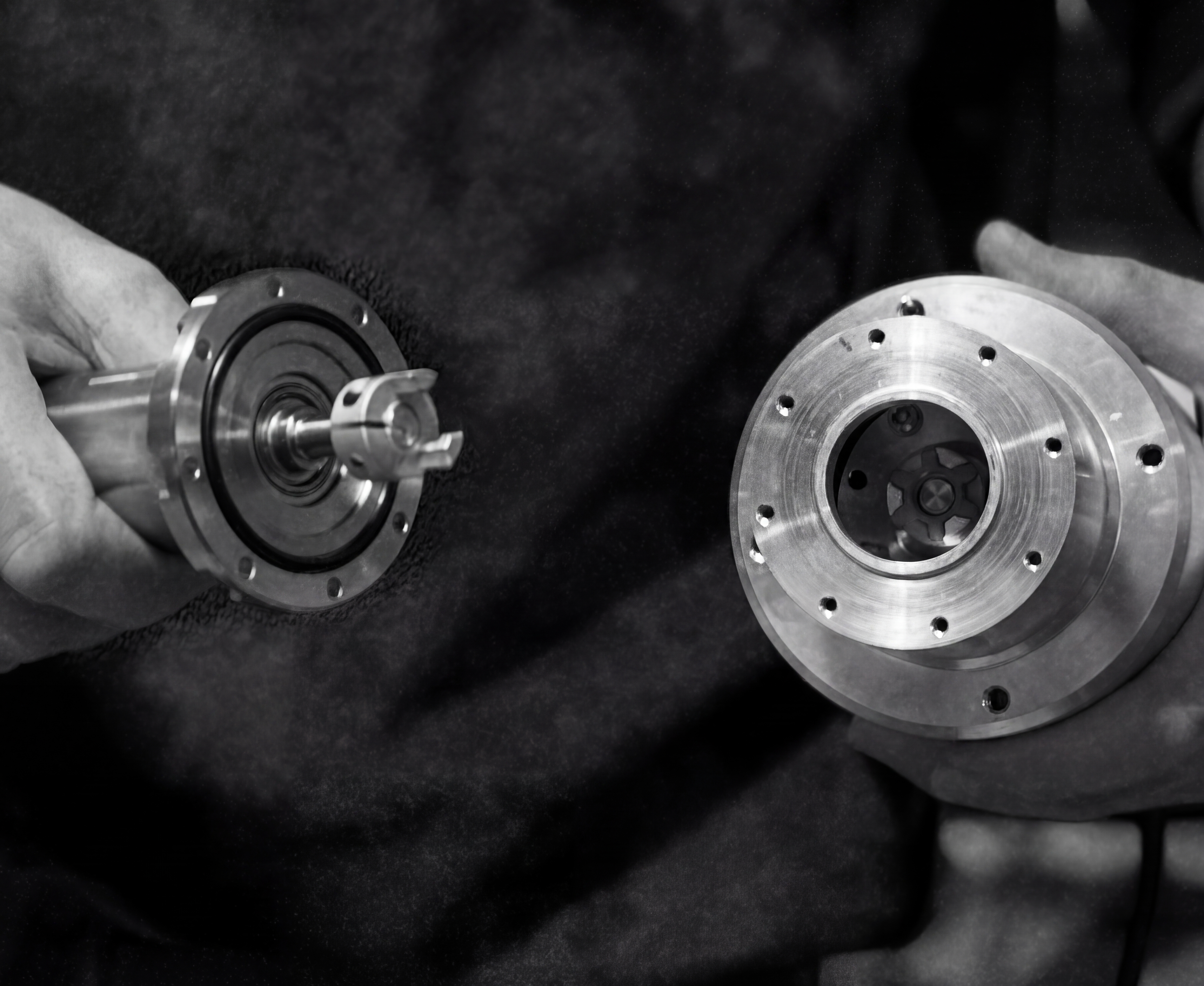
In-House Subsystems
Seanaut develops critical subsystems for underwater platforms entirely in-house, ensuring absolute control over design, performance, and integration. From propulsion systems and active ballast control to communication infrastructure and energy solutions, all components are highly optimized for extreme maritime conditions and engineered to operate in seamless synchronization.
This approach not only provides maximum interoperability, rapid iteration, and mission-specific customization, but also guarantees unparalleled reliability, operational efficiency, and technological independence.
// TECHNICAL CAPABILITIES
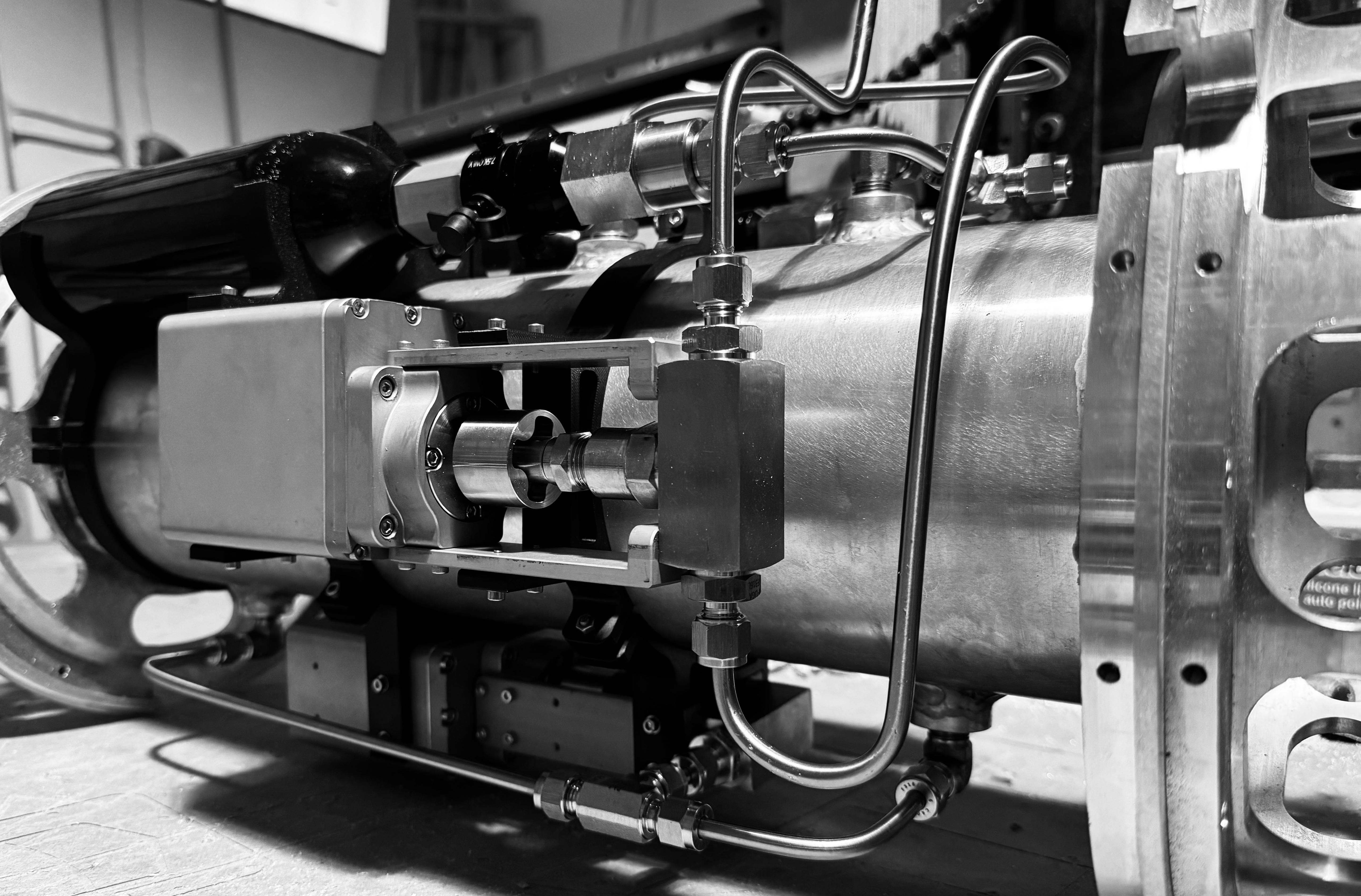
- Dual ballast tank (bow & stern configuration)
- Servo-controlled valve or piston systems
- Closed-loop control with pressure sensor feedback
- IMU-supported trim stabilization
- Modular tank volume and control strategies
// APPLICATIONS
- AUV depth control and stabilization
- Precision mapping and sensor missions
- Long-term seabed operations
- Energy-efficient long-range missions
- Payload transport and mission adaptation
Active Ballast & Trim Control System
Precision buoyancy and attitude control for advanced underwater vehicles
Seanaut active ballast and trim control system is an advanced system developed to provide precise control of diving, surfacing, and maintaining a constant depth for underwater vehicles.
Thanks to independent ballast units integrated into the bow and stern sections, the vehicle can actively manage not only its depth but also its pitch angle. This architecture offers significantly higher maneuverability and mission flexibility compared to traditional fixed-weight systems.
With its pressure-resistant servo housings and precise flow control, the system ensures stable, reliable, and repeatable performance in extreme underwater conditions.
HIGHLIGHTED FEATURES
Active Ballast Control
Dynamic buoyancy management through water intake and discharge. Stable diving and surfacing with real-time control algorithms.
Independent Bow & Stern Control
Separate management of front and rear ballast tanks for precise pitch (trim angle) control and attitude stabilization.
Pressure-Resistant Servo Systems
Custom-designed pressure-resistant servo cases providing reliable mechanical isolation for extended underwater operations.
Precise Flow Management
Controlled water intake mechanism with optimized valve design, allowing fine-tuning for millimeter-precision depth control.
Hovering at Constant Depth
Neutral buoyancy control for maintaining position with low energy consumption. Perfect platform stability for sensor operations.
Seabed Landing & Positioning
Controlled negative buoyancy ensuring stable posture on the seabed, granting extended observation and mission capabilities.
Payload Adaptation
Buoyancy adjustments for different payloads. Adapts seamlessly to center of gravity changes in modular mission scenarios.
// TECHNICAL CAPABILITIES
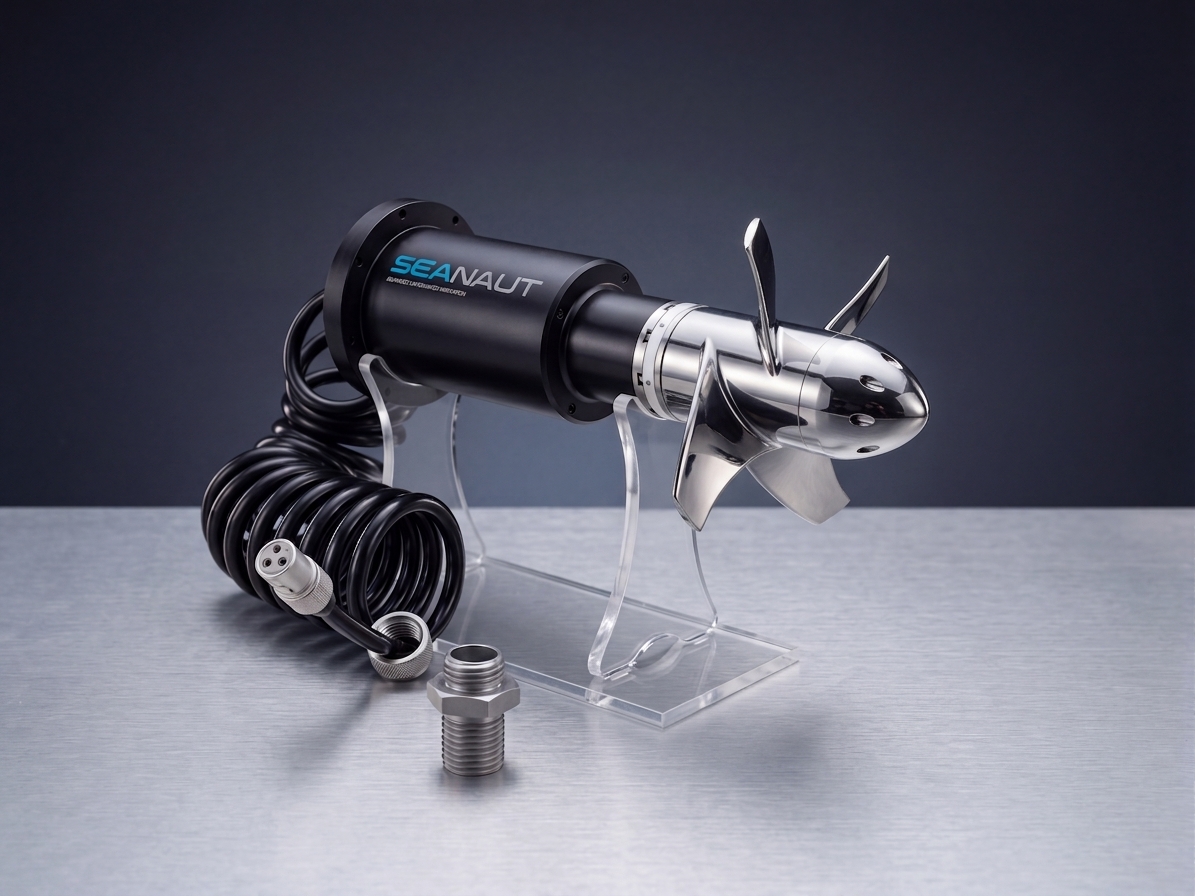
- BLDC motor integration (low KV option)
- High torque – low RPM optimization
- Customizable diameter and thrust capacity
// APPLICATIONS
- Autonomous Underwater Vehicles (AUV)
- Unmanned Surface Vehicles (USV – hybrid systems)
- Military surveillance & reconnaissance
- Scientific research platforms
- Industrial inspection & offshore
Magnetic-Coupled Thruster System
Seal-less, silent and maintenance-free propulsion for next-generation underwater vehicles
Developed for modern underwater platforms, the magnetic coupling thruster system eliminates the traditional shaft-seal architecture to provide a completely seal-less, low-maintenance, and highly reliable propulsion solution.
The system transfers motor torque to the external rotor through a magnetic field without any physical contact. As a result, there is no mechanical penetration between the internal volume and the external environment, providing a critical advantage for deep-water operations.
With its advanced hydrodynamic body design, low noise signature, and modular architecture, this thruster is optimized for military, scientific, and industrial AUV platforms.
HIGHLIGHTED FEATURES
Seal-less Design
No mechanical shaft seal. Eliminates water ingress risk under pressure for reliable extended operations.
Magnetic Torque
Power transmission without physical contact, ensuring minimal wear and mechanical loss.
Low Acoustic Signature
Silent operation with cavitation-optimized propellers. Ideal for military and covert missions.
High Pressure Resistance
Isolated pressure housing. Titanium, stainless steel, or composite shroud options (600-1000m rating).
Modular Architecture
Easy integration into diverse platforms with interchangeable modules for rapid maintenance.
High Efficiency
Optimized magnetic array and low air gap ensure maximum torque transfer and minimal energy consumption.
// PHASE-1 TARGETS
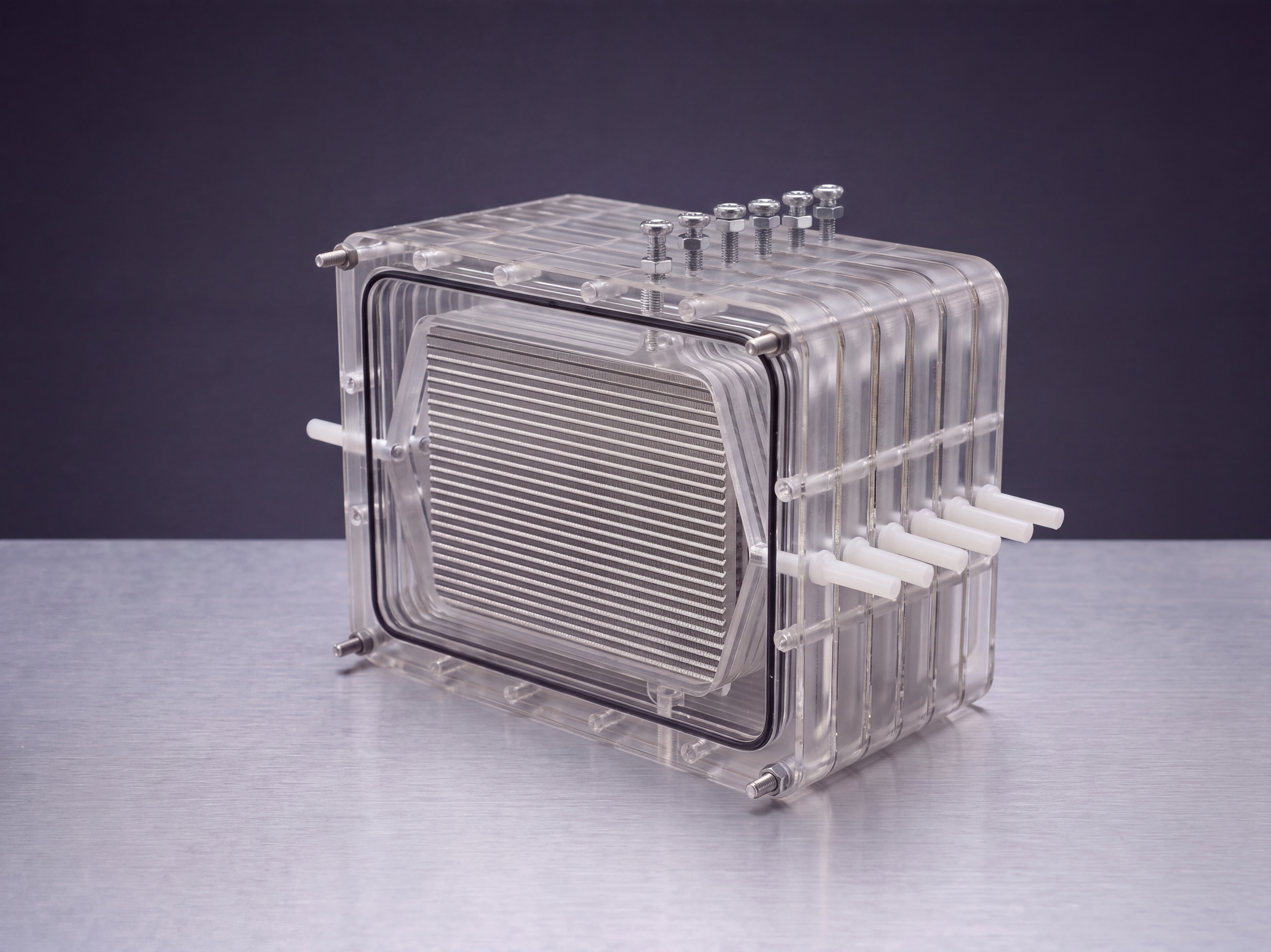
- Low-power system supply (sensors, comms, electronics)
- Regulated 12V stable output for critical components
- Hybrid operation (Al-Seawater module + main battery)
- Main system load reduction & enhanced efficiency
// APPLICATIONS & FUTURE GOALS
- Sensor supply during long-term seabed missions
- Range extender for low-power reconnaissance
- Future: Main propulsion support capacities
- Future: Automated electrode & smart management
Aluminum-Seawater Battery Module (R&D)
Next-generation hybrid energy solution for extended underwater missions
The Aluminum-Seawater Battery Module developed by Seanaut is an advanced R&D initiative aiming to provide an alternative and supplementary energy source for underwater vehicles.
This system aims to generate electrical energy through an aluminum-based reaction utilizing seawater as the electrolyte. It introduces a hybrid energy approach specifically targeted at extending operational endurance by supporting the main battery system during prolonged missions.
Within the scope of the phase-1 development, the system is targeted to provide a stable 12V output to power low-power consumption systems.
HIGHLIGHTED R&D FEATURES
Seawater Energy Generation
No external electrolyte required. Generates energy from the natural environment, providing a significant advantage in long missions.
Modular & Integrated Design
Integratable into the AUV hull. Features replaceable electrode modules with a highly scalable system architecture.
Passive Energy Generation
Generates energy without the need for movement. Perfect for active utilization in standby modes and low-power missions.
Extended Mission Support
Ensures sensors remain continuously active, building a reliable infrastructure and energy continuity for "Always-on" missions.
Low Acoustic & Thermal Signature
Completely silent operation, making it highly suitable for military and covert operations.
// TECHNICAL CAPABILITIES
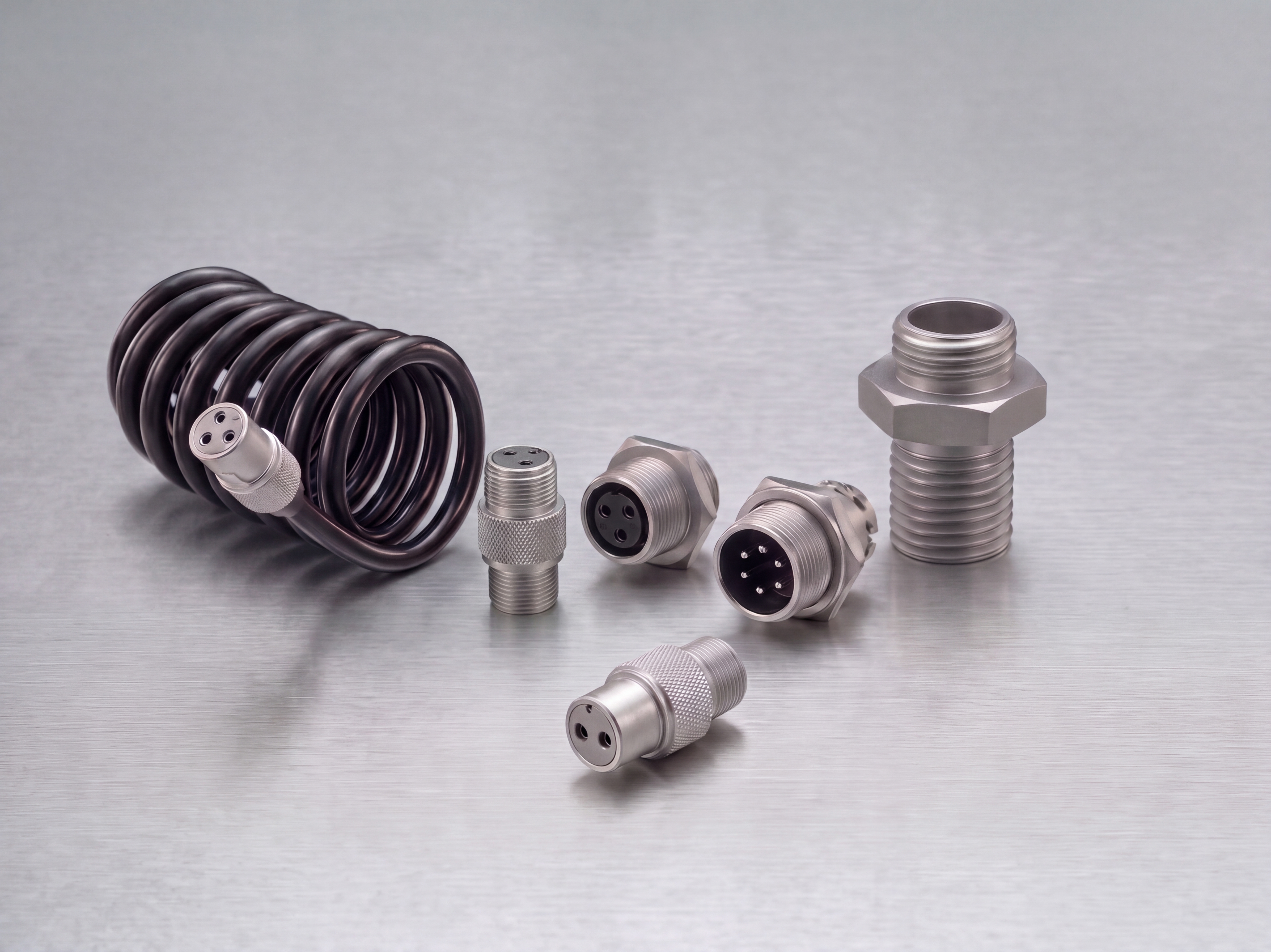
- Multi-pin data connectors (communication, sensors)
- High-current power connectors (thruster supply)
- Custom cable and spiral cable solutions
- Pressure-resistant bulkhead connectors
// APPLICATIONS
- AUV / ROV systems
- Underwater sensor networks
- Offshore and energy systems
- Military marine platforms
- Test and research infrastructures
Subsea Connector Systems
High-reliability electrical interfaces for extreme underwater environments
Seanaut subsea connector systems are designed to provide reliable electrical connections for underwater platforms operating under high pressure, corrosion, and extreme environmental conditions.
Developed using advanced engineering materials such as aluminum and PEEK, these connectors guarantee sealing, mechanical durability, and electrical stability during extended operations.
With its modular architecture featuring various pin configurations and current capacities, the system offers flexible and scalable integration for AUV, ROV, and other marine platforms.
HIGHLIGHTED FEATURES
High Pressure Resistance
Deformation-resistant structure suitable for deep-water operations, providing reliable performance during extended missions.
Advanced Material Technology
Lightweight aluminum housing with PEEK insulation for high temperature and chemical resistance.
Complete Sealing
O-ring and threaded locking system. Complete protection against water and moisture ingress (Subsea Rated).
Modular Pin Configuration
Diverse pin count options with separate customizable solutions for power and signal lines.
Wide Current Range
Supports low current signal transmission and high current power lines with hybrid connector options.
Secure Mechanical Locking
Threaded connection structure resistant to vibration and impacts for fast and secure connections.
Easy Integration
Panel mount and cable type options perfectly designed for AUV hull penetrations with plug & play ease.
Long Lifespan
Wear-resistant contact surfaces designed for repeated mating cycles, ensuring stable performance with low maintenance.
// OPERATIONAL CAPABILITIES
- Long-range communication with underwater vehicles
- Real-time mission monitoring and intervention
- Autonomous mission initiation and management
- Live tracking of sensor data
- Multi-vehicle (swarm) control infrastructure
// APPLICATIONS
- AUV operations (reconnaissance, mapping, surveillance)
- Military and security applications
- Scientific research missions
- Port and offshore inspections
- Training and testing platforms
Ground Control Station (GCS)
Hybrid acoustic & wireless command system for autonomous underwater operations
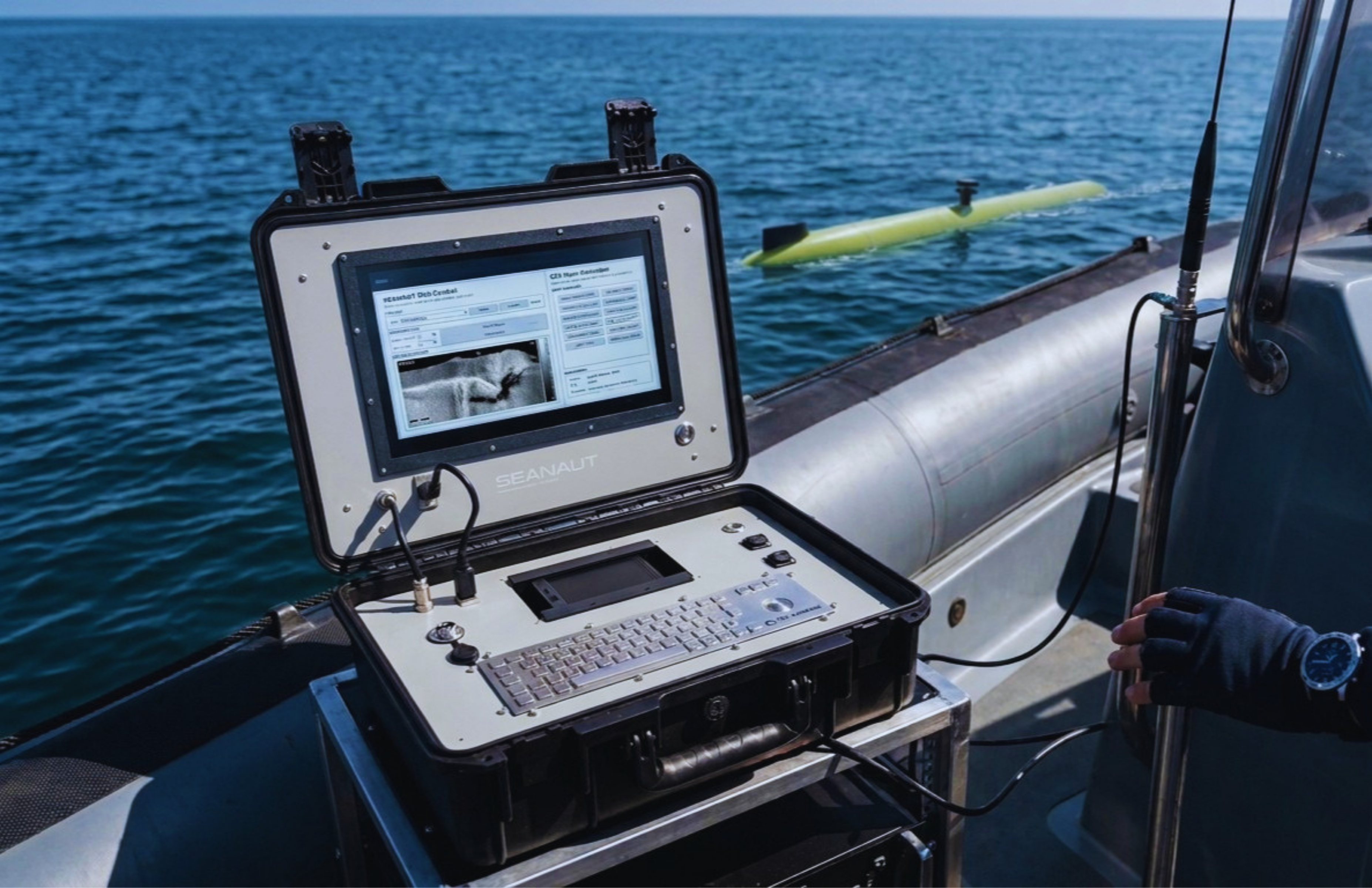
Seanaut Ground Control Station (GCS) is a portable command system developed to ensure safe, flexible, and real-time control of autonomous underwater vehicles in field conditions.
Integrated into a rugged field case, the system utilizes a hybrid approach of acoustic modem and Wi-Fi communication, providing uninterrupted data exchange and mission management both underwater and on the surface.
Through the GCS, the operator can assign missions to the vehicle, monitor system status, and control critical parameters in real-time.
HIGHLIGHTED FEATURES
Hybrid Communication
Underwater communication via acoustic modem. Surface connection via Wi-Fi/RF with automated transition scenarios.
Real-Time Mission Control
Waypoint-based mission planning, instant command transmission, and mission cancellation/update capabilities.
Integrated Operator Interface
Live data stream via built-in display. Monitoring of telemetry, depth, orientation, and system status.
Portable Rugged Design
Field-resistant case structure suitable for splash and harsh environments. Single-person portable operation.
Plug & Play Integration
Rapid setup and deployment. Compatible with AUV platforms and expandable for external sensors.
Secure Data Transmission
Optimized data packets for low bandwidth. Secure transmission with fail-safe scenarios in case of connection loss.
Data Logging & Analysis
Data logging during operation, enabling comprehensive post-mission analysis and performance evaluation.